
Top-Rated Products For Stamped Concrete Service Projects
Upgrade your stamped concrete work with high-performance materials and tools that deliver professional-grade outcomes.
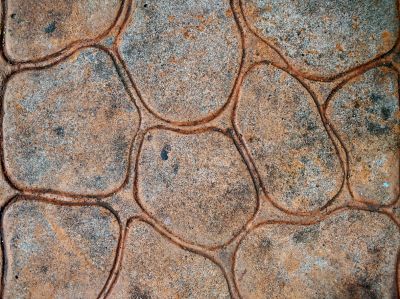 Stamped concrete services in South Jordan, UT, offer a versatile and visually appealing option for enhancing outdoor spaces such as patios, walkways, and driveways. These decorative concrete applications involve imprinting patterns and textures onto freshly poured concrete, creating the appearance of materials like brick, stone, slate, or tile. The process allows for a high degree of customization, enabling homeowners and contractors to achieve unique designs that complement their aesthetic preferences.
Top Overall Option
Stamped Concrete Colorant and Sealer Set
A comprehensive colorant and sealer set designed for stamped concrete projects offers a versatile solution to achieve vibrant colors and protective finishes. These products typically include multiple color shades and a durable sealer that enhances the appearance and longevity of stamped surfaces. They are suitable for both DIY enthusiasts and professional contractors aiming for consistent, high-quality results.
Types of Products For Stamped Concrete Service
Stamping Mats
Flexible mats with various patterns used to imprint textures onto fresh concrete, creating realistic stone or brick appearances.
Color Hardener
Powdered pigments applied to concrete surface to add color and enhance the depth of stamped patterns.
Release Agents
Materials applied to stamping mats to prevent sticking and to create contrast in the textured surface.
Integral Color
Color added directly into the concrete mix for uniform coloration throughout the slab.
Color Stains
Liquid or powder stains used to add subtle or vibrant hues to stamped concrete surfaces.
Sealants
Protective coatings that seal the surface, enhance color, and provide resistance against stains and weathering.
Acid Stains
Chemical stains that produce variegated, translucent color effects on concrete surfaces.
Overlay Products
Thin layers of decorative overlay material that can be stamped to mimic natural stone or brick.
Texture Rollers
Tools used to add additional textures or patterns onto stamped surfaces for enhanced realism.
Polymer Modifiers
Additives that improve the strength and flexibility of stamped concrete mixes.
Edge Restraints
Materials used to define borders and prevent cracking or shifting in stamped concrete slabs.
Cleaning Agents
Specialized cleaners designed for maintaining stamped concrete surfaces without damaging patterns or colors.
Repair Patches
Products formulated for repairing cracks or damaged areas in stamped concrete to maintain aesthetic integrity.
Concrete Dyes
Liquid dyes used to add vibrant and precise colors to concrete surfaces before stamping.
Anti-Slip Coatings
Surface treatments that provide additional traction for stamped concrete in high-traffic areas.
Texturing Tools
Handheld tools used to add custom textures or modify stamped patterns after initial application.
Popular Choices
A variety of stamping mats are frequently used to create diverse textures and patterns on concrete surfaces.
Color hardeners are popular for adding depth and vibrancy to stamped concrete projects.
Essential for achieving clean, detailed impressions without sticking or smudging.
Sealers are widely used to protect stamped surfaces and enhance their appearance over time.
Adding color directly to the concrete mix remains a common choice for uniform coloration.
Liquid stains are trending for adding subtle color variations and accents.
Popular for creating natural, variegated color effects on stamped concrete.
Overlays are increasingly used for remodeling or upgrading existing stamped surfaces.
Used to add unique textures and details to stamped surfaces for a customized look.
Popular for improving the durability and flexibility of stamped concrete mixes.
Commonly selected to ensure clean borders and prevent cracking in large slabs.
Specialized cleaners are often chosen for routine maintenance of stamped concrete.
Frequently used for minor repairs to maintain the integrity of decorative surfaces.
The durability and low maintenance requirements of stamped concrete make it a popular choice for outdoor surfaces. Proper sealing and occasional cleaning can help preserve the intricate patterns and vibrant colors over time. When selecting products for stamped concrete service, it is important to consider the quality of the materials, ease of application, and compatibility with existing surfaces. Professional installation often involves using specific stamps, colorants, and sealers to ensure a long-lasting and visually appealing result.
In South Jordan, UT, local contractors frequently utilize a variety of tools and products to achieve the desired decorative effects. From textured mats to coloring agents and sealers, each component plays a vital role in the final appearance. Investing in high-quality products can facilitate smoother application processes and better outcomes. Whether you are undertaking a small residential project or a large commercial installation, understanding the range of available products can help you make informed decisions and work effectively with service providers.
Overall, the key to successful stamped concrete projects lies in selecting appropriate materials and partnering with experienced professionals. Proper preparation, product selection, and finishing techniques contribute to durable and aesthetically pleasing surfaces. With the right products and expertise, residents and businesses in South Jordan can enjoy customized outdoor spaces that enhance their property’s appeal and functionality.
Key Buying Considerations
- Compatibility with existing concrete surfaces and the specific pattern or texture desired.
- Quality and durability of the products, especially sealers and colorants, to ensure long-lasting results.
- Ease of application, including whether the product is suitable for DIY projects or professional use.
- Color options and the ability to achieve the desired aesthetic effect.
- Sealing and protective properties to resist stains, weathering, and wear over time.
- Compatibility of different product types, such as color hardeners with release agents and sealers.
- Drying and curing times to plan project timelines effectively.
- Environmental conditions during application, including temperature and humidity levels.
- Cost considerations balanced with product quality to fit project budgets.
- Brand reputation and reviews from other users or professionals in the industry.
- Availability of technical support or guidance from suppliers.
- Compatibility with overlays or existing decorative treatments if remodeling.
- Safety precautions and proper handling instructions for chemical products.
- Maintenance requirements post-application to preserve appearance and integrity.
- Potential for customization through mixing or layering different products.